Questo sito utilizza cookie essenziali e, previo consenso, cookie di analisi per migliorare il servizio.
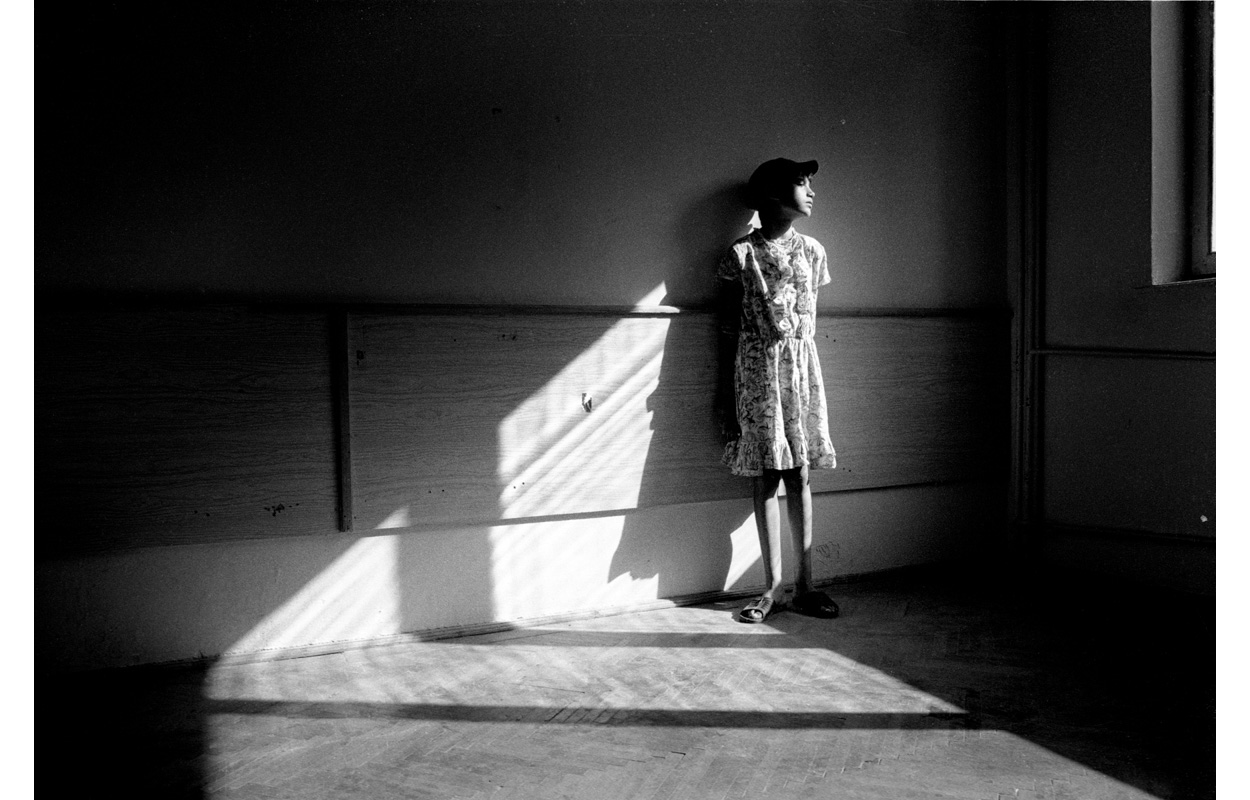
Stefano Bandini and the World of Humans
In an era dominated by fast images, filters, and disposable content, the work of Italian photographer Stefano Bandini stands apart for its patience, honesty, and humanity.
Born in Milan in 1965, Bandini developed a photographic language deeply connected to people, memory, and everyday life. While many contemporary photographers chase spectacle, his work often focuses on something quieter and far more difficult to capture: dignity.
A Photographer of Real Life
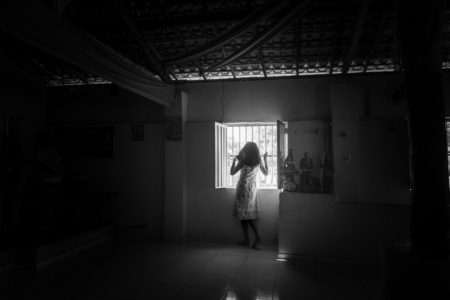
Stefano Bandini is known for documentary and social photography, especially in black and white. His images do not try to impress through excess. Instead, they invite the viewer to slow down and observe details that modern media often ignores.
Faces marked by time. Empty streets full of something. Workers. Children. Religious rituals. Silence. Fatigue. Community.
His photography moves through places and situations where humanity still feels visible and tangible.
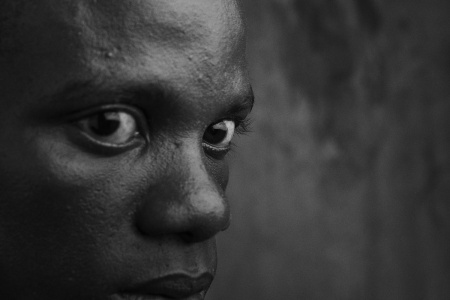
Bandini has documented stories and environments across different parts of the world, often focusing on fragile realities, local traditions, and communities living far from the noise of mass tourism and commercial storytelling.
Black and White as Language
For Bandini, black and white surely is not nostalgia.
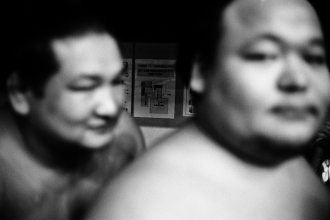
It is a way to remove distraction and return attention to the fabric of light, expressions, textures, and emotions. Shadows become flashing narrative elements. Wrinkles become rivers of time. Architecture becomes memory of flesh.
This visual approach connects his work to the long tradition of humanist and documentary photography while maintaining a personal and contemporary sensitivity.
Many of his photographs feel suspended outside of time. They could belong to today, twenty years ago, or perhaps even another century and timeline.

Between Technique and Humanity
Interestingly, Stefano Bandini originally comes from a technical background in mechanical engineering. This duality between industrial precision and emotional observation can often be felt in his compositions.
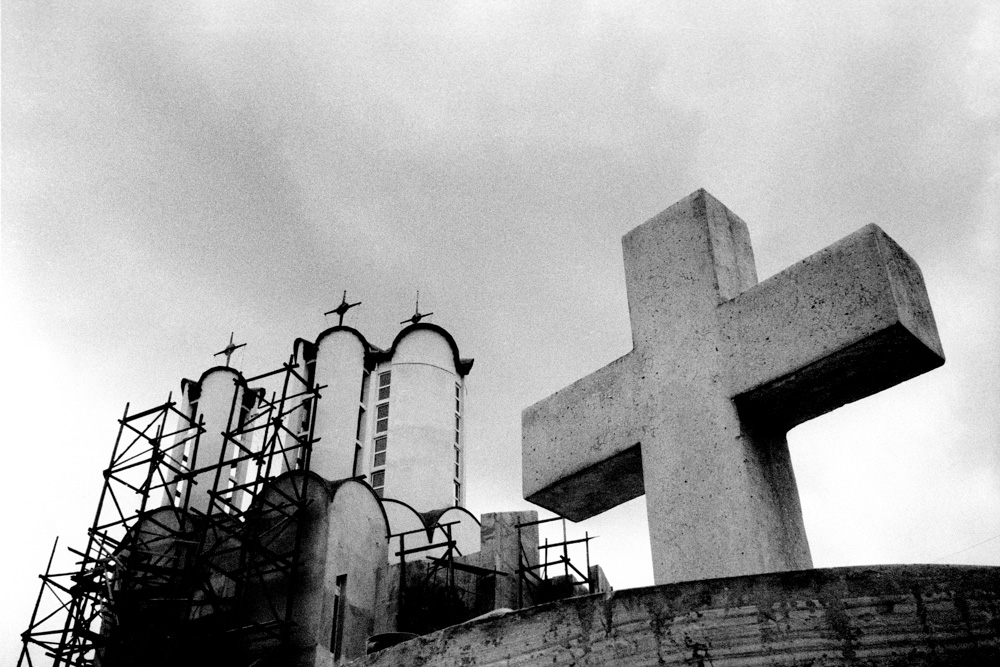
His photography balances the unmovable structure of life and its dynamic spontaneity.
The framing is natural, and the people inside the frame remain alive and authentic. Nothing appears artificially staged. Even when visually powerful, the images preserve a sense of respect toward the subject.
Over the years, Bandini has also experimented with alternative photographic techniques, including pinhole photography and collaborative artistic projects connected to cultural associations and visual research.
Photography Beyond Algorithms
One of the reasons Bandini’s work resonates today is because it clearly feels disconnected from the logic of social media algorithms.
His images are not built to maximize clicks or instant reactions. They require attention. Sometimes discomfort. Sometimes empathy.
In a digital landscape increasingly optimized for speed and emotional manipulation, documentary photographers like Stefano Bandini remind us that photography can still be an act of listening and self-enquiry.
A Visual Archive of Humanity
More than simple reportage, Bandini’s work can be seen as a growing archive of human presence.
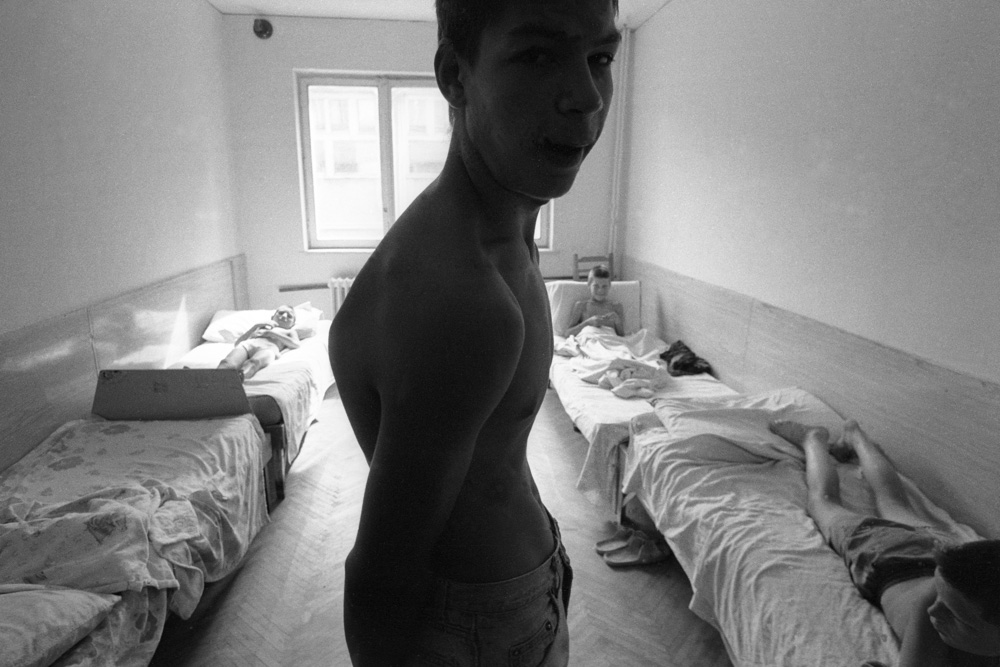
His photographs preserve fragments of cultures, expressions, streets, and lives that may disappear or change forever under the pressure of globalization and digital standardization.
This is one of the quiet powers of documentary photography: to save details before history erases them.